Upgrading OEM Car Radios: The Challenge
In the past, upgrading an original factory (OEM) radio was simply pulling out the old deck and sliding in an aftermarket unit. Today, radio displays control climate, navigation, and vehicle settings. You cannot throw them away. Yet, you still crave better sound. How do you integrate a massive external amplifier into a system not designed for it, without losing quality? This guide explains it.
Step 1: Understanding High-Level Signals
Aftermarket radios have RCA outputs for clean low-level signal. OEM radios push amplified high-level signals directly to cheap paper speakers. You need a device capable of grabbing and stepping down that voltage cleanly without causing clipping or distortion.
Step 2: The High-to-Low Converter (LOC)
If your amp lacks high-level inputs, use an Active Line Out Converter (LOC). Splice the speaker wires into the active LOC, which steps the voltage down to standard RCA plugs. Active converters retain dynamics and offer automatic turn-on signals.
Step 3: Integrated High-Level ESP Amplifiers
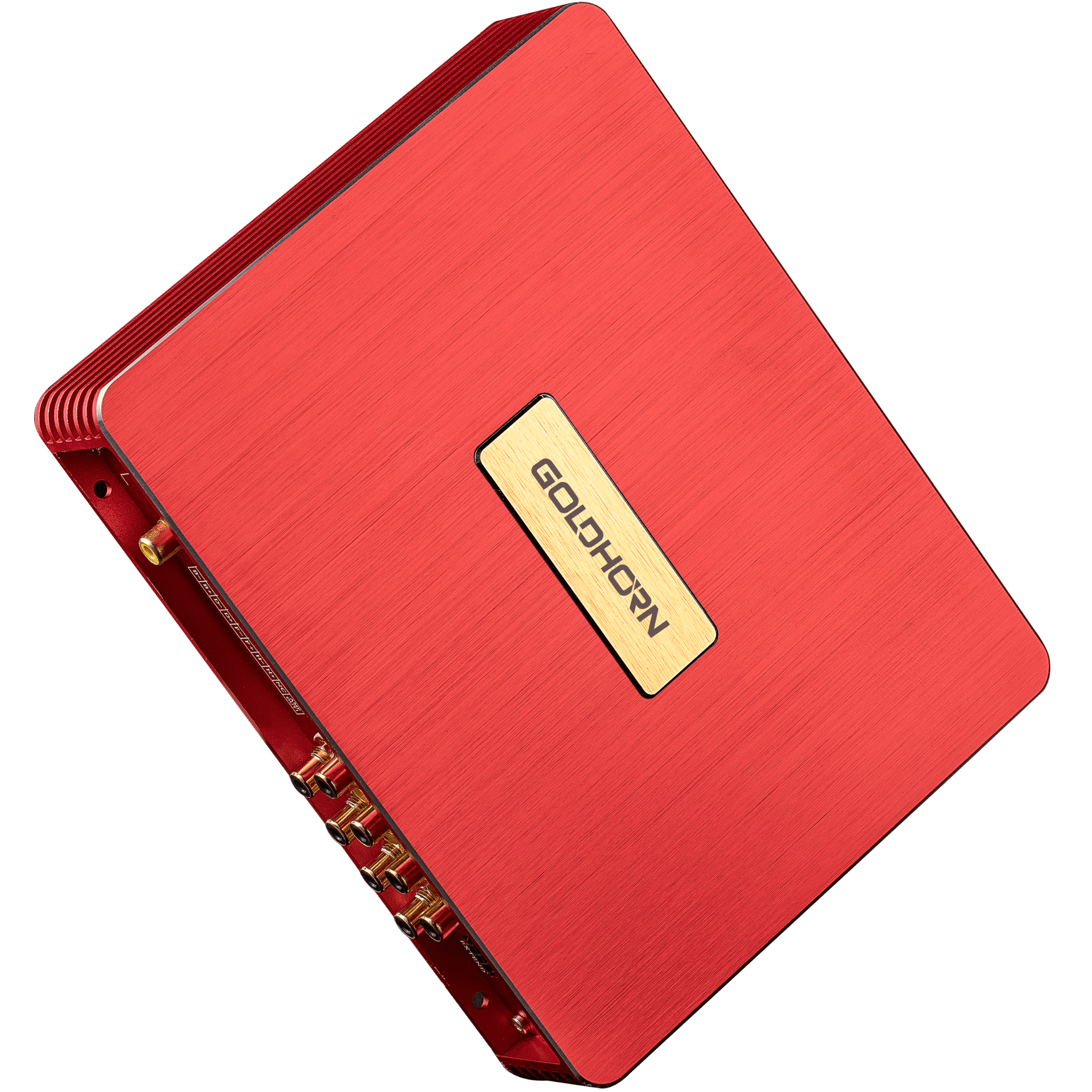
The best modern method is using a DSP-Amplifier combo. These connect directly to the high-level lines and feature Error Protection Systems (EPS). EPS simulates original speaker impedance so the car's computer doesn't shut off audio or disable warning chimes like parking sensors.
Step 4: Plug-and-Play T-Harnesses
To prevent cutting the original warranty-voiding wires, use a vehicle-specific T-Harness. It plugs into the original Quadlock connector behind the dash, grabbing the signal while ensuring power and data flow normally.
Result
With smart signal tapping, error-simulating amps, and T-Harnesses, you achieve audiophile-grade quality while retaining total factory visual appearances and functionality.